Emergency stain removal cleaning Hackney Wick urgent jobs
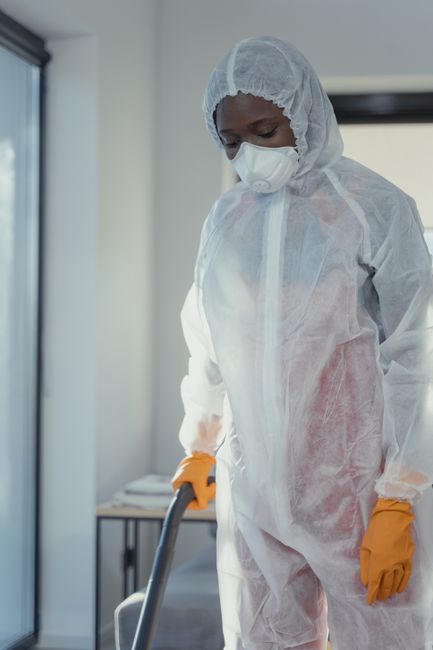
If you've just spilled red wine on a pale carpet, knocked coffee across a sofa, or found a mysterious mark on a rug right before guests arrive, you already know the feeling. Time slows down, panic kicks in, and suddenly the stain looks twice as bad as it did a minute ago. Emergency stain removal cleaning Hackney Wick urgent jobs is all about dealing with those moments quickly, carefully, and in a way that actually protects the fabric underneath.
In Hackney Wick, where homes, studios, and commercial spaces often see a lot of foot traffic and mixed-use wear, urgent stain treatment can make the difference between a simple clean-up and a permanent mark. This guide walks through what emergency stain removal involves, how it works, when to call for help, and what to do before anyone arrives. It's practical, local, and written for real-life messes - the kind that never happen at a convenient time, naturally.
Why Emergency stain removal cleaning Hackney Wick urgent jobs Matters
Stains are not just cosmetic. Some marks sink deeper with every minute, especially on absorbent materials like carpet pile, upholstery foam, wool rugs, and untreated fabric. The longer a spill sits, the more it can bond with fibres, spread into the backing, or create lingering odours. That is why urgent response matters so much.
There is also a practical side that people often overlook. A stain in a hallway, reception area, or living room can quickly affect how a space feels. In a flat-share, a serviced apartment, or a small business, it can become a stress point fast. Nobody wants to step around a patch of wet carpet all evening pretending it is fine. It isn't fine.
Emergency treatment matters most when the stain is:
- fresh and still spreading
- on a delicate or valuable surface
- caused by a coloured liquid, grease, or protein-based material
- linked to odour, such as pet accidents or food spills
- in a high-visibility area where appearance really matters
There is also a trust factor. If you need urgent jobs, you want someone who understands materials, cleaning chemistry, drying times, and the risk of over-wetting. Quick does not mean careless. In fact, the best emergency stain removal work is usually calm, methodical, and a bit unglamorous. The good kind of boring, if we're honest.
For broader fabric care around the home, it can help to explore related services such as professional stain removal or carpet cleaning when the damage is more widespread than a single spot.
How Emergency stain removal cleaning Hackney Wick urgent jobs Works
The process usually starts with a quick assessment. A good cleaner will want to know what was spilled, what surface it hit, how long ago it happened, and what has already been done. Those details matter more than people think. A wine stain on synthetic carpet is a very different beast from a curry spill on wool upholstery, and a bleach mark is another story again.
From there, the job usually follows a simple sequence:
- Identify the stain type - food, drink, grease, ink, dye transfer, pet accident, cosmetic product, or something less obvious.
- Check the fabric or surface - carpet, rug, sofa, curtain, mattress, or upholstery.
- Test the area - especially on colour-sensitive or delicate materials.
- Apply the correct treatment - spot solvent, enzyme cleaner, detergent solution, oxidising agent, or specialised extraction method, depending on the stain.
- Lift and rinse - remove residues so the stain doesn't reappear later.
- Dry properly - because damp fibres can attract dirt or develop odour.
In urgent situations, speed has to be balanced with restraint. Scrubbing hard usually pushes the stain deeper. Flooding the area is risky too. A professional approach is more about controlled action than brute force. That may sound obvious, but in the middle of a mess, obvious goes out the window rather quickly.
If the issue involves a sofa, mattress, or curtains, the cleaner may use a more targeted method from upholstery cleaning, sofa cleaning, mattress cleaning, or curtain cleaning. That matters because different fabrics respond differently to moisture, pressure, and cleaning products.
Key Benefits and Practical Advantages
Urgent stain removal is not only about saving appearances. It gives you a few very real advantages that can prevent a small problem turning into a much more annoying one.
- Less chance of permanent staining - especially for fresh spills that haven't set.
- Reduced odour - important for food, drink, and pet-related accidents.
- Better fabric protection - early treatment is usually gentler than later corrective cleaning.
- Faster return to normal use - useful for homes, rental properties, offices, and hospitality settings.
- Lower risk of DIY damage - which can happen when the wrong product is used in a rush.
Another benefit is peace of mind. A lot of people call for help because they are worried the stain will become "one of those marks" - the sort you explain away for years. Truth be told, that worry is often justified. A careful emergency clean can stop the stain from becoming a permanent fixture in your memory and in the room.
Expert takeaway: The best emergency stain response is early, targeted, and controlled. Acting fast matters, but using the right method matters more.
For busy properties, especially shared spaces and commercial interiors, the downtime saved can be a real practical win. If the stain is part of a bigger maintenance issue, commercial carpet cleaning may be the smarter follow-up once the immediate emergency is handled.
Who This Is For and When It Makes Sense
Emergency stain removal is for anyone facing a time-sensitive spill or visible mark that needs immediate attention. That said, there are some situations where it makes especially good sense to get help quickly.
- Homeowners and tenants dealing with carpet spills, pet accidents, or sofa marks
- Landlords and letting agents preparing a property between occupancies
- Cafes, offices, studios, and shops where a stain affects presentation or hygiene
- Parents and pet owners who know very well that accidents do not keep office hours
- Event hosts facing last-minute damage before or during an occasion
It makes sense when the stain is fresh, the fabric matters, and the space needs to look or smell normal again quickly. It also makes sense when you have already tried a little blotting and now the mark is starting to spread. That's the point where improvising can become expensive.
Some stains are straightforward. Others are sneaky. A clear liquid can leave a shadow after drying. A greasy patch can look gone, then bloom back later. Ever cleaned something that looked fine in daylight and then noticed it again at 9 p.m. under the kitchen light? Exactly.
For pet-related issues, a specialist service such as pet stain and odour removal is often worth considering, because the stain is only half the problem. The smell can linger if the source isn't treated properly.
Step-by-Step Guidance
If you are dealing with a fresh spill before help arrives, these steps can reduce the damage. They are simple, but they need doing in the right order.
- Stay calm and act quickly. Fast is good, frantic is not.
- Blot, don't scrub. Use a clean white cloth or paper towel and press gently.
- Work from the outside in. This helps stop the stain from spreading.
- Remove solids carefully. If there is food or debris, lift it off rather than grinding it in.
- Avoid over-wetting. A little moisture is useful; soaking usually is not.
- Do not mix products. Especially bleach, ammonia, or random household cleaners.
- Ventilate the space. Open a window if you can, particularly after a spill on soft furnishings.
- Take a note of what happened. Cleaning teams will ask. Better to remember now than later.
When a professional arrives, the work often continues with careful testing, product selection, and extraction. In many urgent jobs, the goal is not to make the fabric look brand new in five minutes - it is to stabilise the damage, remove the contamination, and give the material the best chance of a full recovery.
If the affected surface is carpeted, methods may overlap with steam carpet cleaning, especially where extraction and fibre flushing are needed after the stain itself is treated.
Expert Tips for Better Results
Here's the part people usually want to skip, but shouldn't: prevention and restraint matter as much as the cleaning product itself.
- Use white cloths so dyes from coloured towels don't transfer into the stain.
- Test in a hidden area if you're using any product at home.
- Blot in stages rather than pressing one soaked cloth repeatedly onto the spot.
- Keep pets and children away until the area is dry and safe.
- Tell the cleaner the truth about what was spilled - even if you're not sure. "Maybe coffee, maybe cola" is still useful information.
One useful rule: the more valuable, delicate, or sentimental the item, the less DIY bravery you want to show. That vintage rug? The one from your nan? Best not to go in with a kitchen spray and confidence. Confidence is lovely, but it is not a cleaning method.
A final tip from real-world experience: if the stain starts to disappear but leaves a ring, don't assume the job is done. Rings and shadows can show up after drying. A proper rinse or extraction step is usually what prevents that frustrating comeback.
Common Mistakes to Avoid
Most stain disasters become worse because of a few repeat mistakes. The good news is that they are avoidable once you know them.
- Scrubbing aggressively and pushing the stain deeper into the fibres
- Using too much water on carpets, mattresses, or soft furnishings
- Applying random cleaning products without checking fabric compatibility
- Waiting too long and letting the stain dry in place
- Rubbing pet stains instead of treating the source area properly
- Ignoring odour after the visible mark has faded
There is also a less obvious mistake: trying to cover the problem before it is really treated. A sofa cushion turned upside down, a rug moved to hide a patch, a chair angled toward the wall - all very human, but not a fix. The mark usually comes back to haunt you, often at the worst possible time.
For delicate items like rugs and fabrics with mixed fibres, a targeted approach through rug cleaning or upholstery cleaning is often safer than a generic spot-clean. It's not glamorous, but it works.
Tools, Resources and Recommendations
You do not need a cupboard full of products to handle a spill sensibly. In fact, less is often better. A small, well-chosen kit is more helpful than a shelf of half-used bottles with fading labels.
Useful items to keep at home or on site
- clean white microfiber cloths
- plain paper towels
- a small bowl of cool water
- a gentle fabric-safe spot cleaner
- a soft brush for dry debris, used carefully
- gloves for messy or unhygienic spills
When to escalate
Some situations should move straight from blotting to professional help. That includes red wine on pale carpet, ink on upholstery, grease on absorbent fabric, pet accidents that have soaked through, and any stain on a delicate or expensive item where the stakes are high.
If the issue looks bigger than one mark, it may be worth pairing emergency treatment with a broader clean. For example, many clients choose a full carpet cleaning visit after the immediate stain is treated, or book sofa cleaning if the spill affected the seating area as a whole.
Law, Compliance, Standards, or Best Practice
For emergency stain removal in the UK, the most relevant standards are practical rather than dramatic: safe handling of cleaning chemicals, appropriate risk awareness, and care around slip hazards and ventilation. If a cleaner is working in a home, rental property, or business, they should use sensible health-and-safety practices and avoid leaving surfaces wet or unsafe for occupants.
In commercial settings, the bar is often higher because there may be public access, staff movement, or food handling nearby. A good cleaner should be clear about drying times, access limitations, and any precautions needed after treatment. That kind of transparency matters. It saves arguments later, which, to be fair, nobody wants on a Tuesday afternoon.
Insurance and customer confidence also matter in urgent work. If a team is handling valuable furnishings or working in a tight time window, it is reassuring to choose a provider that is open about its insurance and safety approach. You do not want to discover after the fact that the "quick fix" came with a bigger headache.
For anyone comparing providers, it also helps to read the terms and conditions and health and safety policy so expectations are clear before work begins.
Options, Methods, or Comparison Table
Different stains need different responses. Here's a practical comparison of common approaches.
| Method | Best for | Strengths | Limitations |
|---|---|---|---|
| Blotting and spot treatment | Fresh light spills | Quick, low-risk, easy to start | May not remove deep staining or odour |
| Targeted stain removal | Set-in marks, coloured spills, grease | More precise and fabric-aware | Needs the right product and technique |
| Extraction cleaning | Carpet and upholstery spills | Helps flush residues from fibres | Can be too wet if poorly handled |
| Enzyme treatment | Pet accidents and organic spills | Useful for odour and biological residue | Needs enough contact time to work properly |
| Full fabric clean | Widespread staining or multiple marks | Better overall finish and consistency | May take longer than a spot fix |
The right option depends on the stain, the fabric, and how quickly you need the space back. A tiny coffee mark on a synthetic chair is one thing. A soaked mattress or a stained office carpet is another. The method should fit the problem, not the other way around.
Case Study or Real-World Example
Imagine a small creative studio in Hackney Wick just before a client visit. Someone puts a takeaway coffee down on a fabric chair, the cup shifts, and a dark splash spreads across the seat and onto the carpet edge below. Nobody means for these things to happen, of course. They just do.
The first instinct is usually panic and paper towels. Fair enough. But in a situation like this, the better response is to blot gently, avoid adding household spray too quickly, and call for urgent stain support. A cleaner can then assess both surfaces separately. The chair may need targeted upholstery treatment, while the carpet edge may need extraction and careful rinse work.
What tends to matter in these cases is not just the visible stain. It is the residue left behind, the chance of a ring forming overnight, and whether the area will smell stale by morning. A careful job can mean the chair is usable again, the carpet edge doesn't become a permanent eyesore, and the space feels like itself by the next day.
That is the real value of emergency stain removal: not drama, just relief. Calm restored. Job sorted.
Practical Checklist
Use this quick checklist when a spill happens and you need urgent action.
- Identify what caused the stain, if possible
- Blot gently with a clean white cloth
- Avoid scrubbing or spreading the stain
- Keep the area ventilated
- Do not mix cleaning chemicals
- Protect nearby items from moisture
- Take photos if the item is valuable or rental-related
- Tell the cleaner exactly what happened
- Ask about drying time before the area is used again
- Follow up if the stain reappears after drying
If the stain is already setting, or if the fabric is delicate, the safest move is usually to get professional help rather than keep experimenting. A quick, sensible call can save a lot of grief.
Conclusion
Emergency stain removal cleaning Hackney Wick urgent jobs are about much more than wiping a mark away. They are about timing, technique, and choosing the least risky path when a spill threatens to become a permanent problem. In a busy local area where homes and workplaces often run at full speed, having a clear plan matters. So does knowing when to stop DIY and bring in help.
The core idea is simple: act fast, act gently, and match the method to the material. Do that, and you give yourself the best chance of saving the fabric, reducing odour, and avoiding the sort of damage that makes you wince every time you walk past. A good emergency clean feels almost invisible afterwards. That's the point.
If you are dealing with a stain right now, the next sensible step is to get it assessed properly and avoid making it worse. One calm decision today can save a lot of stress tomorrow.
Get a free quote today and see how much you can save.
Frequently Asked Questions
What counts as an emergency stain removal job?
Anything time-sensitive that risks becoming permanent counts as urgent. Fresh wine spills, pet accidents, grease marks, ink, and stains on delicate items are common examples.
Should I blot or scrub a fresh stain?
Always blot first. Scrubbing can push the stain deeper into the fibres and make the mark spread outward.
How quickly should I call for help?
The sooner the better, especially with coloured liquids, odours, or stains on carpet and upholstery. Minutes can matter more than people expect.
Can every stain be removed completely?
Not always. Some stains leave shadows or fibre damage, especially if they have dried, oxidised, or reacted with the material. A good cleaner will be honest about what is realistic.
Is emergency stain removal safe for sofas and upholstery?
It can be, if the right technique is used. Upholstery fabrics vary a lot, so testing and controlled cleaning are important.
What should I do if I don't know what caused the stain?
Tell the cleaner exactly what you do know. A mystery mark is still treatable, but the approach may need to be more cautious.
Will the area be wet afterwards?
Usually yes, at least a little. The aim is to minimise moisture and dry the area as safely and quickly as possible.
Are pet stains treated differently from food stains?
Yes. Pet accidents often need odour-focused treatment as well as stain removal, especially if the liquid has soaked through to the underlay or cushion filling.
Can I use supermarket stain removers before a professional arrives?
Sometimes, but only with care. If you are unsure about the fabric or the stain type, it is safer to wait than to risk a reaction or colour damage.
Is urgent stain cleaning worth it for a small mark?
Often yes, if the mark is on a valuable item, in a visible area, or likely to set quickly. A small fresh stain can become a bigger repair job later.
What if the stain comes back after drying?
That can happen when residue remains in the fibres. It usually means the stain needs a more thorough rinse or extraction treatment.
How do I choose between spot treatment and full cleaning?
Use spot treatment for a single fresh mark when the surrounding area is otherwise clean. Choose full cleaning when there are multiple stains, general soiling, or lingering odours.
If you want to explore related services that support urgent stain work, you can also look at curtain cleaning, mattress cleaning, and recycling and sustainability information for a more rounded approach to fabric care and responsible service choices.